
Malaysia Leads SEA On AI Images: A GEO Opportunity
Updated on: 17 August 2026
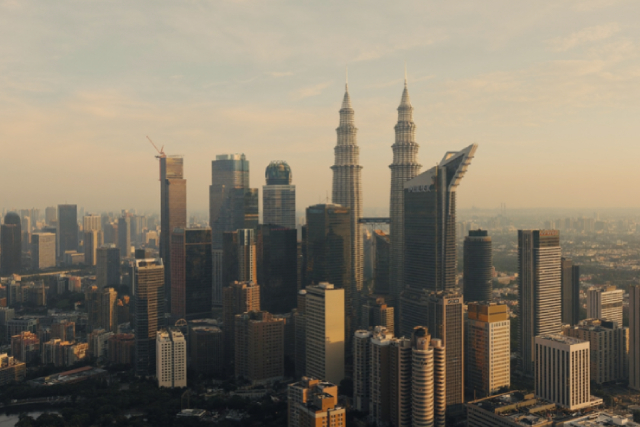
Something unusual surfaced in Google’s first proper read of how Southeast Asia actually uses AI. When the company published its Gemini Southeast Asia report on 14 July 2026, one finding stood out for anyone marketing in this part of the world. Malaysia records the highest share of image generation requests in the region, with roughly one in five local users asking Gemini to create a picture rather than only asking for text.
That behaviour says something about where attention is drifting. Malaysians are not only reading answers from assistants, they are actively making things with these tools, and the habit is spreading quickly enough to change how brands should think about being found. The report is a marketing signal dressed up as a usage statistic, and the brands that read it that way will move first.
What Google’s Gemini Report Actually Found
The headline number is growth. Google reports that its Gemini user base across Southeast Asia doubled over twelve months and passed 100 million users in the six markets it studied. Malaysia sits inside that surge, and its appetite for visual output is the standout local trait, ahead of every neighbour the report measured.
Language is the second thread. According to the Malaysia edition of the report, requests written in Malay more than doubled in early 2026 compared with a year earlier, with Malay prompts leaning towards creative and academic tasks while English carries most professional and technical queries. The Nano Banana image feature, introduced in August 2025, explains a good deal of why picture generation has taken hold here so firmly.
None of this sits apart from the wider economy. The Department of Statistics Malaysia, in figures reported by The Edge Malaysia, confirms that internet access and usage stay near saturation across the country. A population already comfortable online is now getting comfortable asking machines for answers, and that is precisely the audience your content has to reach.
Why Image-Led AI Use Reshapes The GEO Equation
Here is the shift many marketing plans have not caught up with. When people ask an assistant to generate, summarise, or recommend, they often never see a page of blue links at all. Earning a place inside that generated answer is the discipline known as generative engine optimisation (GEO), the work of structuring content so large language models surface and cite your brand. A market this fluent in prompting is a market where GEO stops being a nice-to-have and starts deciding who gets discovered.
Heavy image use sharpens the point. If a fifth of local users are creating visuals on demand, thin product pages and recycled stock photography carry less weight than clear, genuinely useful information a model can lift and trust. The brands that pull ahead here treat their AI SEO groundwork, the technical and editorial hygiene that makes content legible to machines, as seriously as they once treated keyword positions on a results page.
Turning Attention Into Answer-Engine Visibility
Getting cited is a different game from ranking, and the tooling to prove it is still young. Being deliberately visible to the systems that write answers, an approach usually called answer engine optimisation (AEO), means making your expertise easy to extract and hard to misread. Broader AI optimisation (AIO), used here in the sense of tuning your whole digital presence for machine reading, sits underneath all of it. A handful of habits tend to separate cited brands from invisible ones:
- Answer the actual question within the first two or three sentences of a page, before any brand narrative.
- Use descriptive headings and structured data so a model can map what each section covers.
- Keep facts current and attributed, since assistants favour sources they can verify.
- Publish in the languages your customers really search in, including Malay and mixed Manglish phrasing.
What Transfers Across The Causeway, And What Does Not
This is where our vantage point helps. Our team is based in Singapore and we spend our days working across both markets, which makes the contrast easy to see. Singaporean audiences skew towards English, professional queries, and a heavier reliance on desktop research, while Malaysian audiences are more mobile, more multilingual, and, as the Gemini data shows, more inclined to create.
The common misstep we watch Singapore brands make is assuming a single English content set will carry them north. It seldom does. A page tuned for a Singaporean reader often misses the Malay and Manglish wording a Malaysian customer actually types, and the visual expectations differ too. Leaning on one provider compounds the problem, and we have set out before why building a visibility plan around a single platform is a risk for Malaysia’s GEO and AEO plans.
The southbound journey has its own lesson. Malaysian brands moving into Singapore meet a denser, pricier market where the same content competes against far more polished local coverage. What carries across the border is the underlying discipline of clear, machine-readable content. What does not travel is the assumption that either audience behaves like the other, and that gap catches out newcomers every quarter.
Where This Leaves Malaysian Brands
The Gemini report is a snapshot, not a prophecy, and usage patterns will keep moving. The useful takeaway is simpler than the data makes it look. Your customers are already talking to machines in two languages and expecting quick, credible answers, so the content that serves them best is built to be understood by people and models alike.
If you are weighing up where your visibility stands as these habits settle, we are happy to talk it through and help you find a sensible first step. Our content marketing and SEO teams work across Malaysian and Singaporean audiences every week, and a short conversation often clears the fog faster than another report.